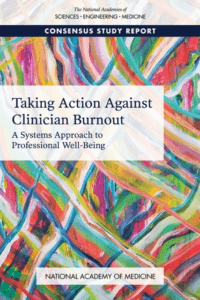
 High rates of clinician burnout in the U.S. are detrimental to the quality of care being provided and harmful to individuals in the workforce. A report “Taking Action Against Clinician Burnout: A Systems Approach to Professional Well-Being” by the National Academy of Medicine takes a systemic approach to address burnout that focuses on the structure, organization and culture of health care.
Mounting system pressures have contributed to overwhelming job demands and insufficient job resources for clinicians, causing physical, psychological, and emotional stress, including burnout. Burnout is a syndrome characterized by high emotional exhaustion, high depersonalization and a low sense of personal accomplishment from work.
The report calls upon leaders in health care organizations, health professions’ educational institutions, government 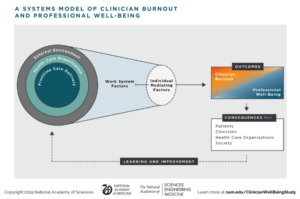 and industry to prioritize improvements to prevent and mitigate clinician burnout. Research shows the prevalence of burnout is around 35–54% for U.S. nurses and physicians and 45–60% for medical students and residents. Supporting professional well-being is essential to the delivery of high-quality care and to clinicians, patients and families.
To read the full National Academy of Medicine article, click here.
Editor’s note: We hope that you will share what you learn from our posts. We invite you to be part of the conversation on Twitter by following @Neurosurgery and using the hashtag #PhysicianBurnout.