
Cross Post: An Endovascular Approach for Idiopathic Intracranial Hypertension: Assessing Morphometric Candidacy After Venous Sinus Stenting.
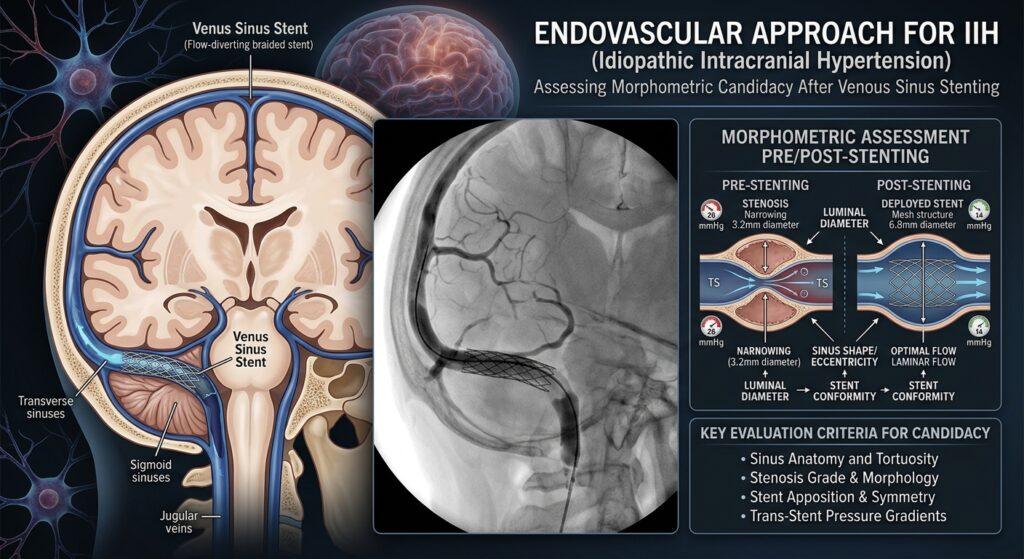
From time to time on the Neurosurgery Blog, you will see us cross-posting or linking to items from other places when we believe they hit the mark on an issue. We wanted to bring attention to a recent publication in Neurosurgery, an official journal of the Congress of Neurological Surgeons, which provides multimedia, prompt publication […]
Washington Committee: 50 Years of Advocacy and Impact

Fifty years ago, the American Association of Neurological Surgeons (AANS) and Congress of Neurological Surgeons (CNS) recognized the growing impact of federal policy on medicine and took bold action: they established the AANS/CNS Washington Committee for Neurological Surgery. This formal presence in the nation’s capital has since served as the unified voice of neurosurgery in […]
100 Years Young and Still Towering: Celebrating Dr. Don Dohn, Neurosurgery’s Living Legend

There are neurosurgeons who make a mark — and then there’s Dr. Donald F. Dohn. On August 16, Don turns 100 years old, and we’re not just lighting candles — we’re celebrating a legacy that shaped the very foundation of modern neurosurgery. From his early days in Buffalo, New York, to the hallowed halls of the […]
Cross-Post: High-Accuracy Augmented Reality Guidance for Intracranial Drain Placement Using a Standalone Head-Worn Navigation System: First-in-Human Results
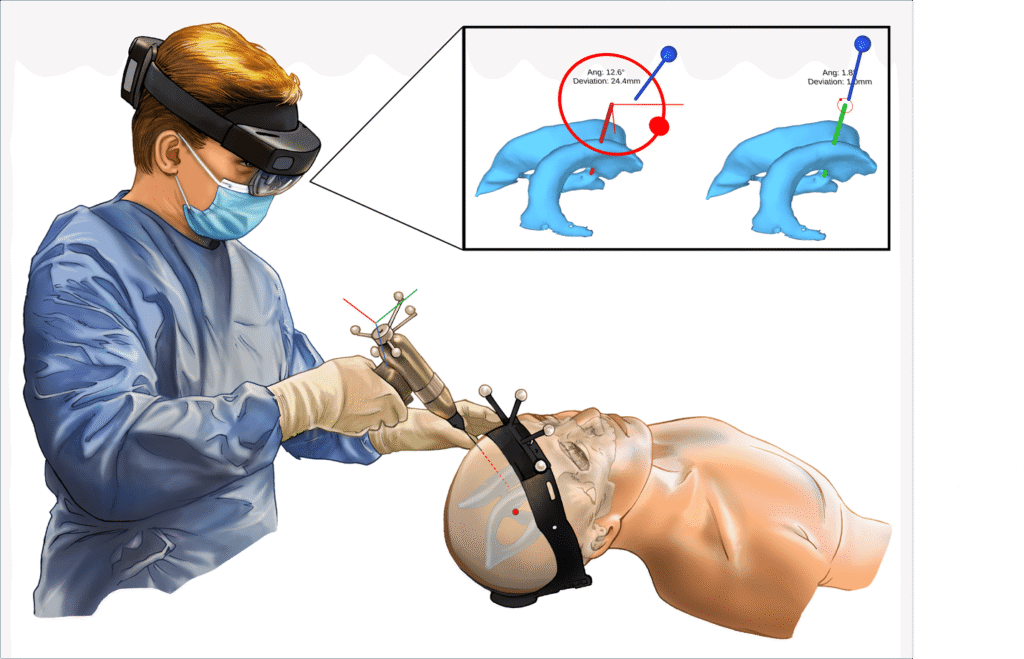
From time to time on the Neurosurgery Blog, you will see us cross-posting or linking to items from other places when we believe they hit the mark on an issue. We wanted to bring attention to a recent publication in Neurosurgery, the official journal of the Congress of Neurological Surgeons, which provides multimedia, prompt publication […]
We Must Do Better
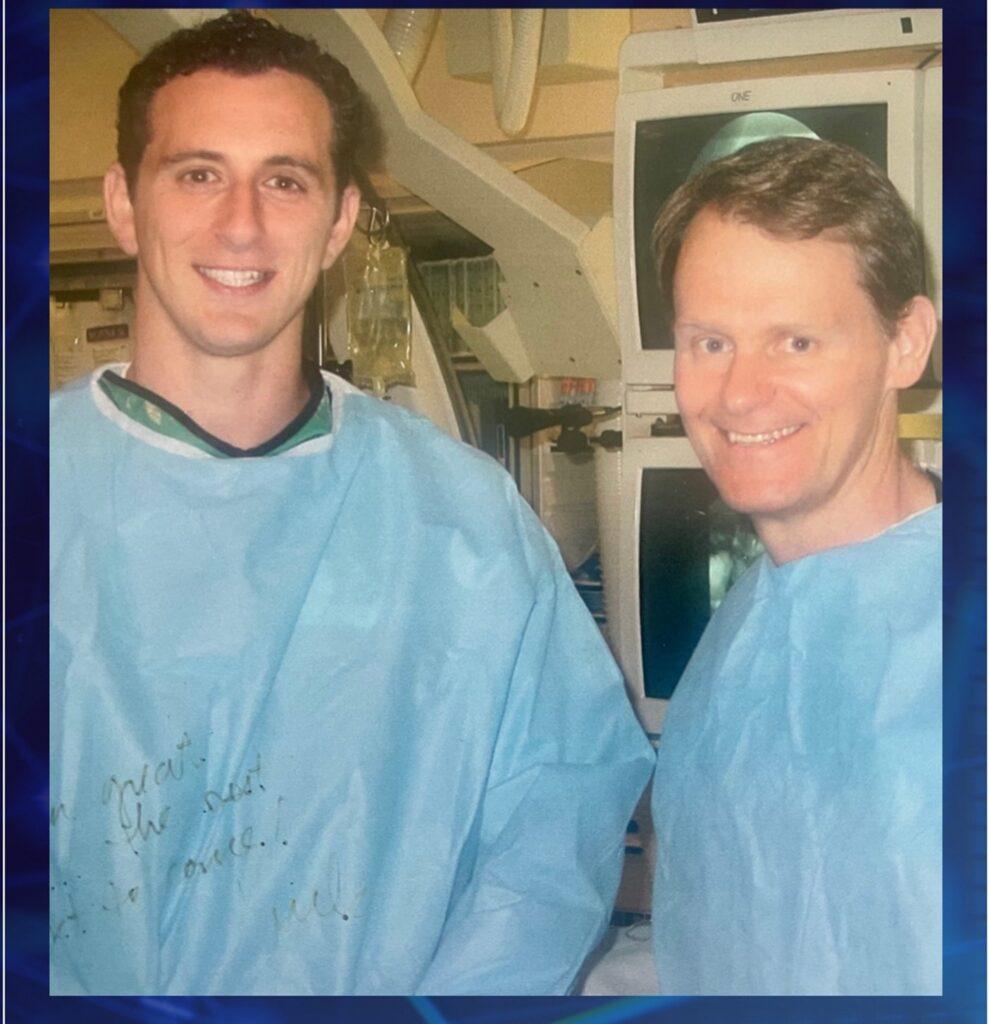
Nelson “Nick” Hopkins, III, MD, FAANS(L) is revered as the father of endovascular neurosurgery. In addition to his many accolades and leadership positions in neurosurgery, he was a SUNY Distinguished Professor of Neurosurgery and Chair at the University at Buffalo (UB) from 1989 to 2013. Best venerated for his pioneering achievements in the field of […]
Evaluating Professionalism and Self-reflection in Neurosurgery
As neurosurgeons, continuous improvement is essential to our growth. Self-reflection and self-improvement are core tenets instilled in us throughout training. During residency, this is built into our education, with discussions of quality, service and opportunities for improvement at the forefront. But what about after residency? As we transition, we continue to refine what we do […]
The Pros and Cons of Pursuing a Fellowship
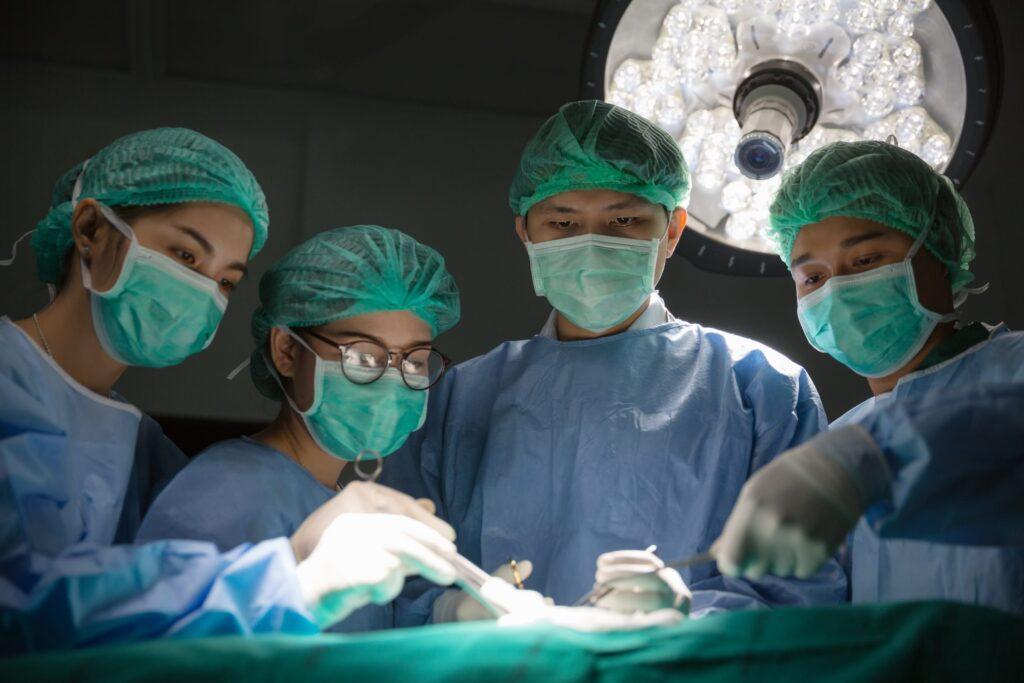
After fast-paced, rewarding, but often exhausting years of completing highly technical neurosurgical training as a resident, the decision to pursue an additional one to two years of fellowship training is ultimately highly personal. As a mid-level resident, I weighed the pros and cons of this path after graduating in the context of my professional and […]
Neurosurgery Blog Featured on Medscape’s List of Medical Blogs Physicians Love

On Feb. 16, Medscape published an article, “‘Blog MD’: Medical Blogs That Physicians Love,” including Neurosurgery Blog on their list of 10 medical blogs for physicians. The article states, “the blog authored by the AANS and CNS tackles topics beyond brain surgery. Physicians and other specialists could learn from writings about a neurosurgeon’s approach to […]
Training the Next Generation of Neurosurgeons: Inclusive Excellence in Neurosurgery
The Department of Neurosurgery at Stanford University is committed to inclusive excellence at all levels of education and training. Investing in outreach and pipeline programs exposes students to knowledge and opportunities otherwise unavailable. Our reach extends beyond Stanford and the surrounding community — we have reached students from all over the world who are interested […]
Making and Maintaining a Neurosurgeon
“You need to see a neurosurgeon.” Those words would likely make any person pause. Unlike the quip, it is brain surgery. Neurosurgery is a critical medical specialty — treating everything from tumors to strokes, Parkinson’s to cerebral palsy, aneurysms to spine fractures. The average neurosurgeon has spent at least 15 years in school and training […]